
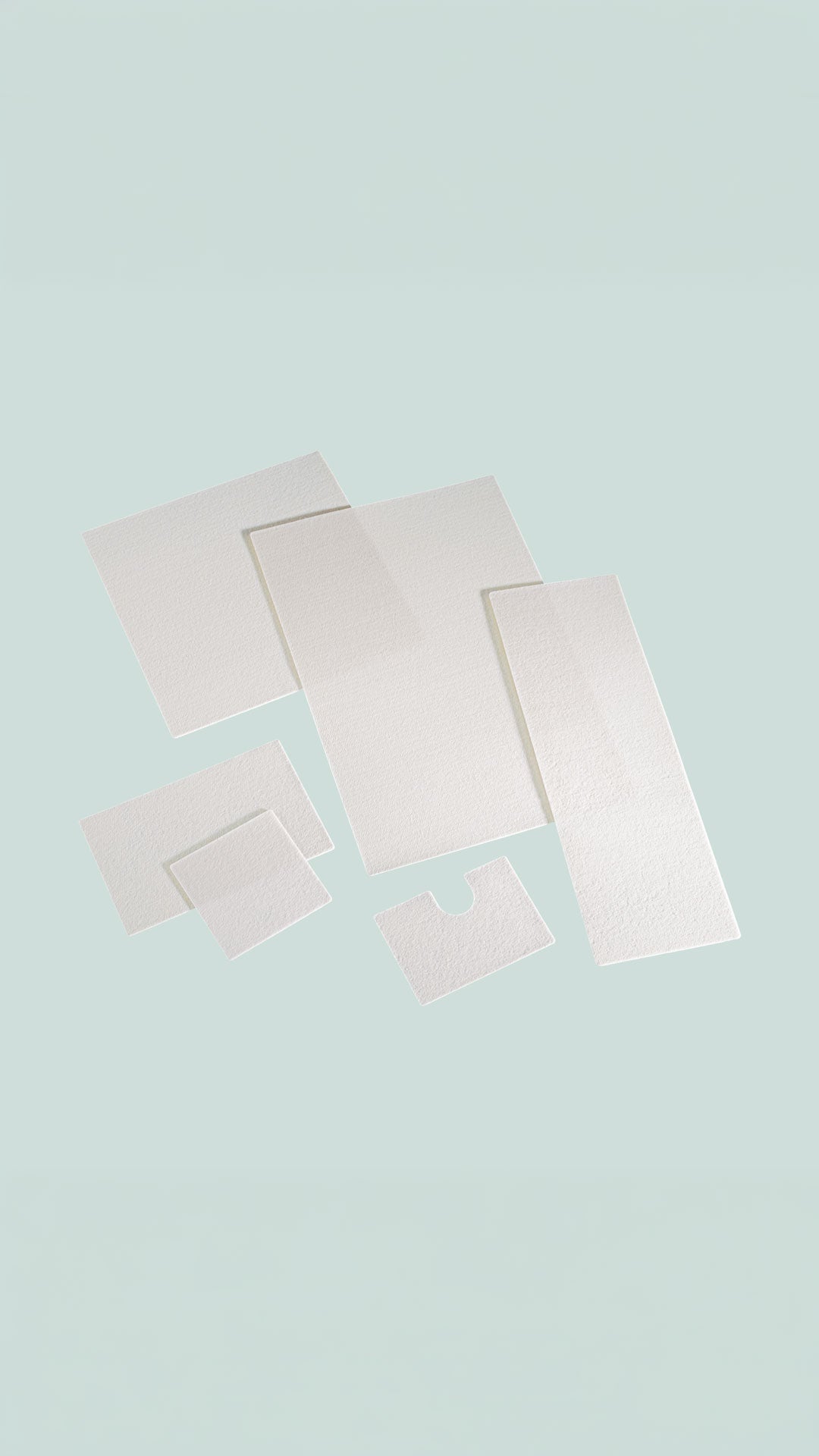
GORE® BIO-A® Tissue Reinforcement
Now indicated for hernia prophylaxis as suture-line reinforcement.
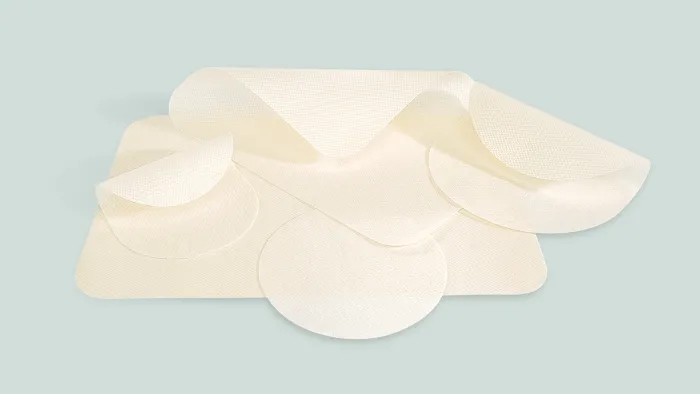
The 3D bioabsorbable tissue-building scaffold that avoids the risk of mesh-related complications after the targeted absorption period of six to seven months.1,2
Learn more about the GORE 3D Bioabsorbable Technology

Consistent quality offers confidence to providers, surgeons and patients
GORE® BIO-A® Tissue Reinforcement is supported by more than 15 years of positive clinical outcomes. Repairs with GORE® BIO-A® Tissue Reinforcement may help to improve surgical outcomes for complex patients and providers.3 It may result in low rates of hernia recurrence or occurrence and low rates of long-term mesh-related complications.3
Soft-tissue reinforcement with a 3D bioabsorbable scaffold
GORE® BIO-A® Tissue Reinforcement - Disruptive technology:
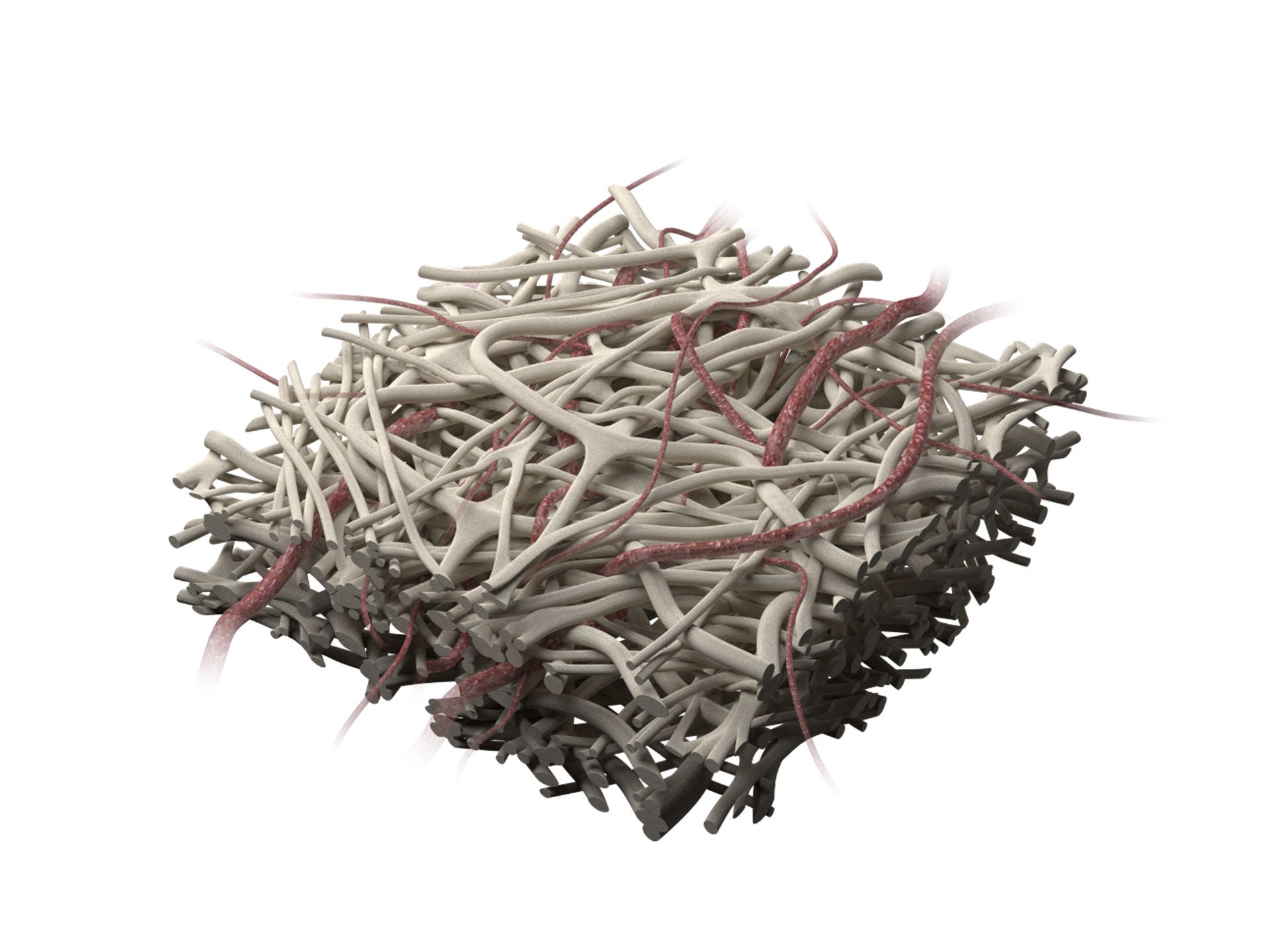
- Unique 3D scaffold constructed of 67% PGA / 33% TMC
- Highly interconnected, optimal pore structure elicits tissue response
- Targeted bioabsorption period supports the critical healing process over six to seven months
- Material is consistently absorbed by hydrolysis
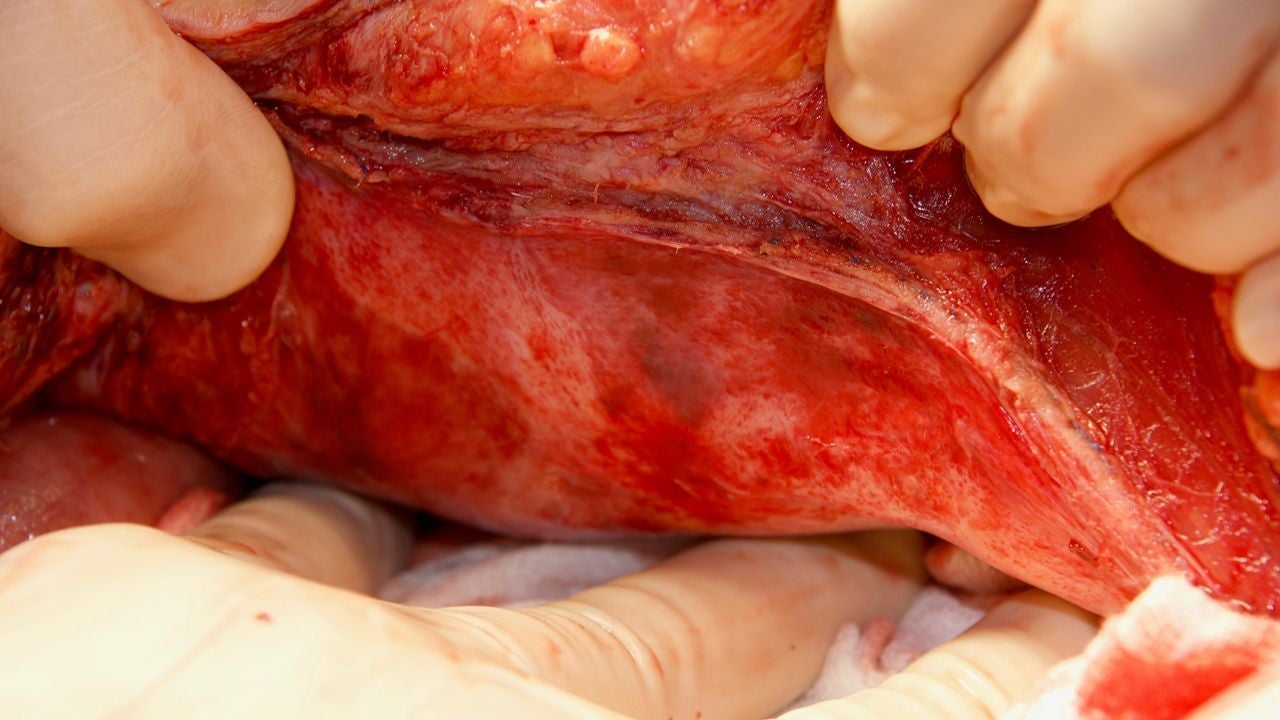
Second look case observation after 4 months
Reoperation following EHS Grade III Classification for parastomal hernia repair at four months for acute intestinal obstruction due to a hard adhesion to the pelvis.
Robust layer of organized collagen formed and fully replaced the device.
Second look case observation after 18 months
GORE® BIO-A® Tissue Reinforcement 18 months after incisional hernia repair of a bilateral transversus abdominis release (TAR).
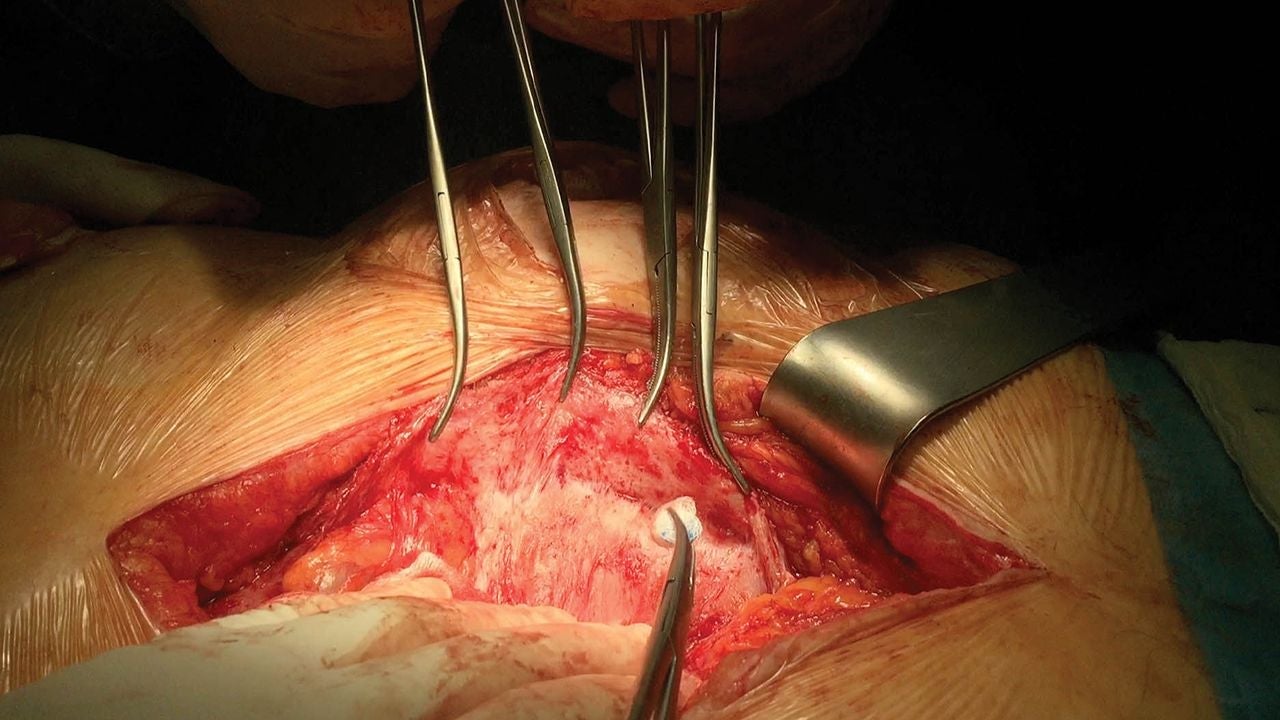
No reported complications from GORE® BIO-A® Tissue Reinforcement at the time of the secondary procedure 18 months after the initial implant.a
Image courtesy of M.A. Garcia-Urena, MD. Used with permission.
Versatile for numerous applications
GORE® BIO-A® Tissue Reinforcement is intended for use in the reinforcement of soft tissue, including hiatal and ventral hernia repair and hernia prophylaxis as suture-line reinforcement.
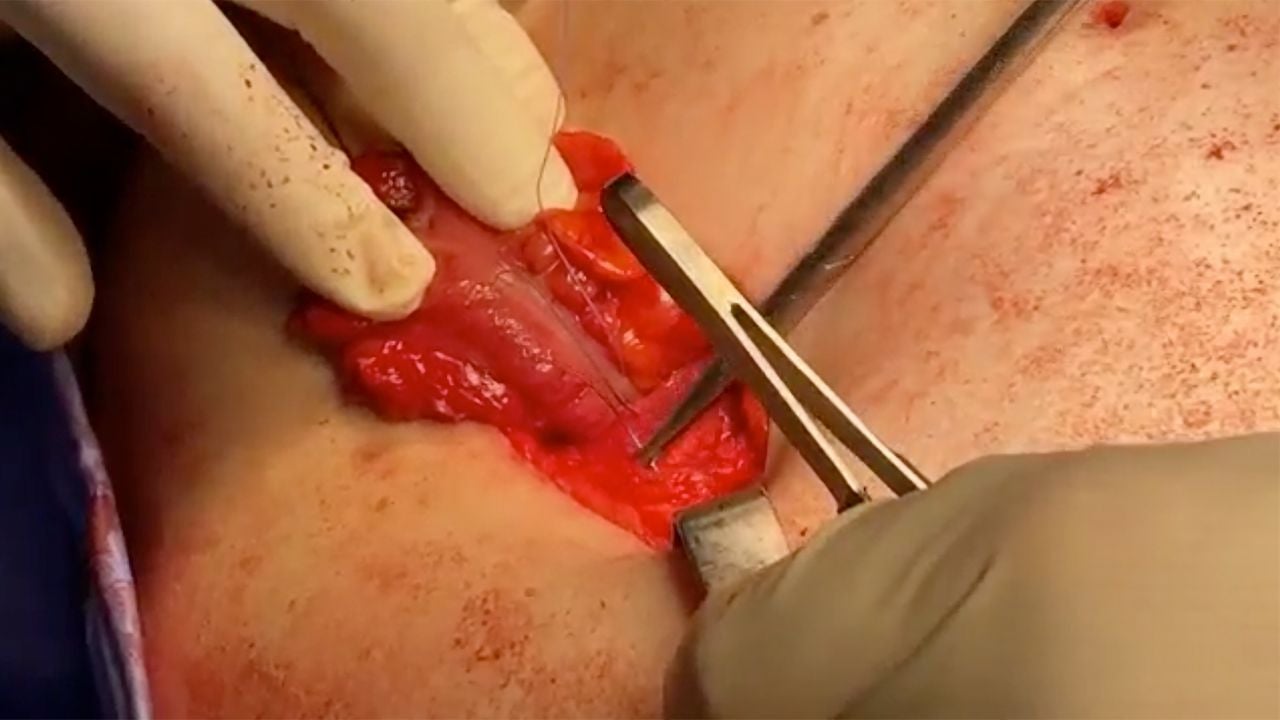
NEW: Hernia prophylaxis
End-colostomy with mesh reinforced closure.4
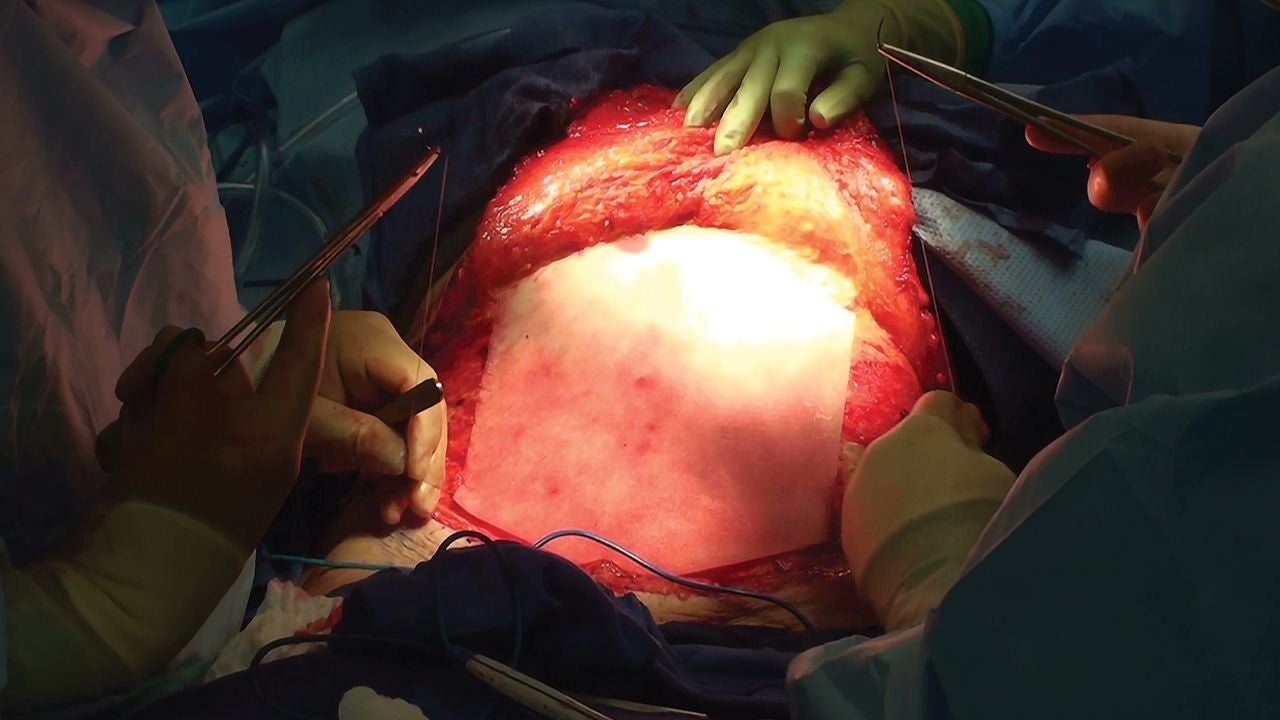
Abdominal wall reconstruction
Suture line reinforcement following midline closure.5
Complex ventral / incisional hernia
Robust layer of organized collagen formed and fully replaced the device; no permanent material left in the body.
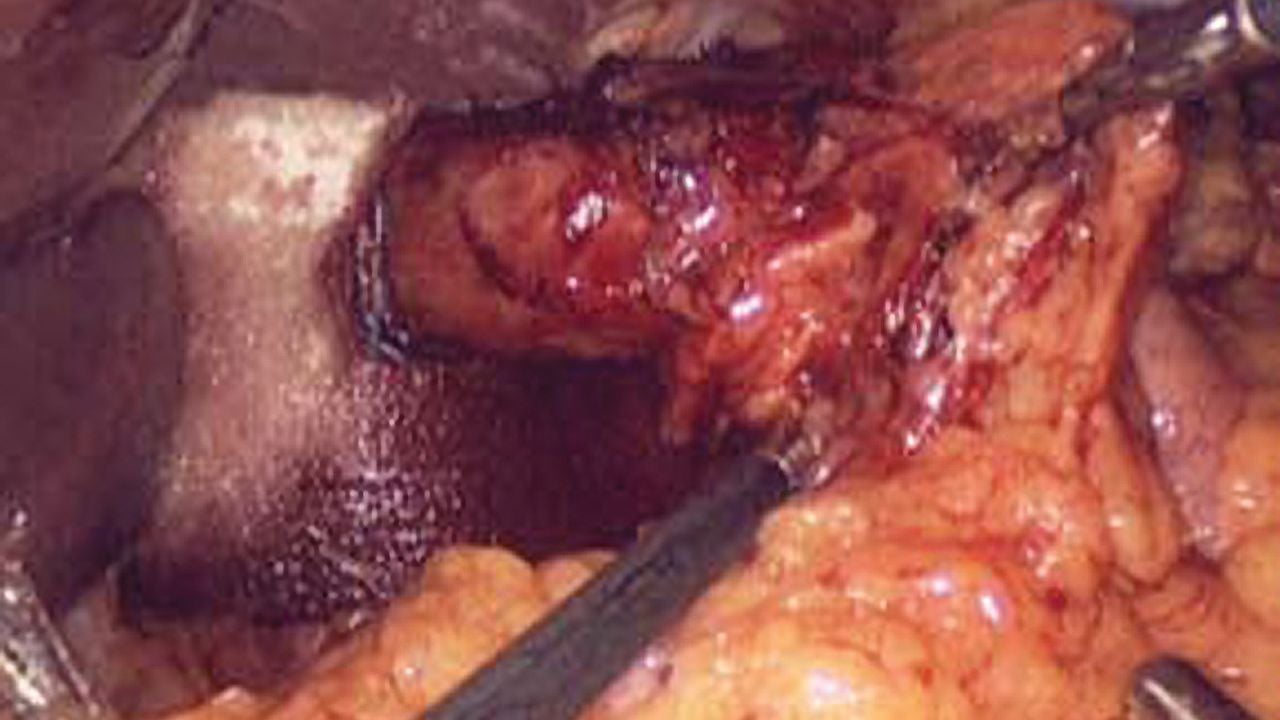
Paraesophageal / hiatal hernia repair
Onlay following primary closure of crura.6,7
Clinical experience across procedures
Published results across multiple hernia repair procedures are available in the Clinical Data section.
Images courtesy of (left to right): Francesco Pizza, MD; Garth R. Jacobsen, MD and James J. Chao, MD; M.A. Garcia-Urena, MD; Timothy B. Ehrlich, MD, FACS;
Related to this product:
a. Data on File Urena Copyright Assignment.docx
- Katz AR, Mukherjee DP, Kaganov AL, Gordon S. A new synthetic monofilament absorbable suture made from polytrimethylene carbonate. Surgery Gynecology and Obstetrics 1985;161(3):213-222.
- Stadlhuber R.J., Sherif A.E., Mittal S.K., Fitzgibbons Jr. R.J., Brunt L.M., Hunter J.G., DeMeester T.R., Swanstrom L.L., Smith C.D., Filipi C.J. Mesh complications after prosthetic reinforcement of hiatal closure: A 28-case series. Surgical Endoscopy 2009 23:6 (1219-1226).
- W. L. Gore & Associates, Inc. Clinical Evaluation Report for GORE® BIO-A® Tissue Reinforcement. Flagstaff, AZ: W. L. Gore & Associates, Inc; 2026. [Clinical Evaluation Report – CER]. MD114935. Rev 16.
- Jenkins ED, Yip M, Melman L, Frisella MM, Matthews BD Informed consent: cultural and religious issues associated with of allogeneic and xenogeneic mesh products. Journal of the American College of Surgeons 2010;210(4):402-410.
- Sharkawy AA, Klitzman B, Truskey GA, Reichert WM. Engineering the tissue which encapsulates subcutaneous implants. II. Plasma-tissue exchange properties. Journal of Biomedical Materials Research 1998;40(4):586-597
- Pizza F, D’Antonio D, Lucido FS, et al. Is absorbable mesh useful in preventing parastomal hernia after emergency surgery? The PARTHENOPE study. Hernia 2022;26(2):507-516.
- Jacobsen GR, Chao JJ. Clinical use of GORE® BIO-A® Tissue Reinforcement in ventral hernia repair using the components separation technique.
Flagstaff, AZ: W. L. Gore & Associates, Inc; 2018. [Case series]. AX0286-EN1. - Ehrlich TB. GORE® BIO-A® Tissue Reinforcement in Hiatal Hernia Repair. Flagstaff, AZ. W. L. Gore & Associates, Inc; 2008. [Case report]. AM2969-EN1.
- Zehetner J, Demeester SR, Ayazi S, et al. Laparoscopic versus open repair of paraesophageal hernia: the second decade. Journal of the American College of Surgeons 2011;212(5):813-820.

Refer to Instructions for Use at eifu.goremedical.com for a complete description of all applicable indications, warnings, precautions and contraindications for the markets where this product is available. RXOnly
INDICATIONS FOR USE IN EUROPE: The GORE® BIO-A® Tissue Reinforcement is intended for use in the reinforcement of soft tissue, including hiatal and ventral hernia repair and hernia prophylaxis as suture-line reinforcement.
CONTRAINDICATIONS: The GORE® BIO-A® Tissue Reinforcement is contraindicated for use in reconstruction of cardiovascular defects. The GORE® BIO-A® Tissue Reinforcement is absorbable and contraindicated for use in patients requiring permanent support from the device.