Proven long-term procedural success in complex SFA lesions
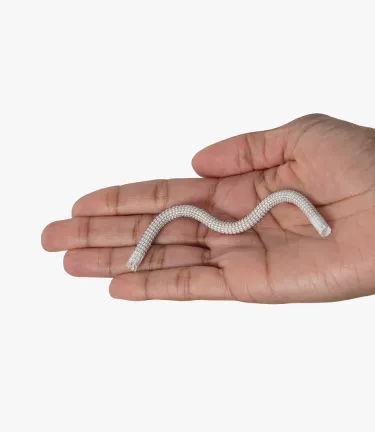
Sustained durability through 5 years in SFA treatment
Supported by a broad range of clinical studies of SFA lesions, the GORE® VIABAHN® Endoprosthesis with PROPATEN Bioactive Surfacea has demonstrated reliable performance across a variety of lesion types, including long lesions, calcified lesions and chronic total occlusions (CTOs).1-9
The Japan Post-Market Clinical Study was a prospective, multicenter postmarket surveillance study which aimed to assess the safety and effectiveness of the VIABAHN® Device over 5 years in patients with peripheral artery disease (PAD) and complex femoropopliteal lesions (N = 321).1
1-year primary patency
5-year primary patency
5-year fTLR
100% freedom from acute limb ischemia (ALI)
through 5 years.1
100% freedom from stent fractures
through 5 years.1
Proven long-term patency, supported by a broad range of clinical studies of SFA lesions.1-7

1,089
limbs studied

71%
CTOsb

23 cm
average lesion lengthc
average primary patencya
1-year outcomes in calcified SFA lesions
The ARMADILLO Study was a retrospective multicenter study which aimed to compare clinical outcomes between the VIABAHN® Device and the SUPERA® Device in calcified femorepopliteal lesions (N = 150).9
| VIABAHN® Device (n = 75) | SUPERA® Device (n = 75) | P-value | |
|---|---|---|---|
Primary patency | 81.4% | 71.2% | P = 0.32 |
fTLR | 82.8% | 77.6% | P = 0.28 |
Overall survival | 88.6% | 87.2% | P = 0.81 |
The VIABAHN® Device studied in real-world lesions
Gore RELINE MAX Study was a prospective, single-arm, multicenter study which aimed to assess the safety and effectiveness of the VIABAHN® Device for treatment of in-stent restenosis (ISR) of the SFA through 3 years (N = 86).8
1-year primary patency
1-year secondary patency
1-year fTLR
100% freedom from stent fractures and major amputation at 3 years, in a cohort including Rutherford category 4+ patients at baseline8
What happens to patients when a VIABAHN® Device occludes?
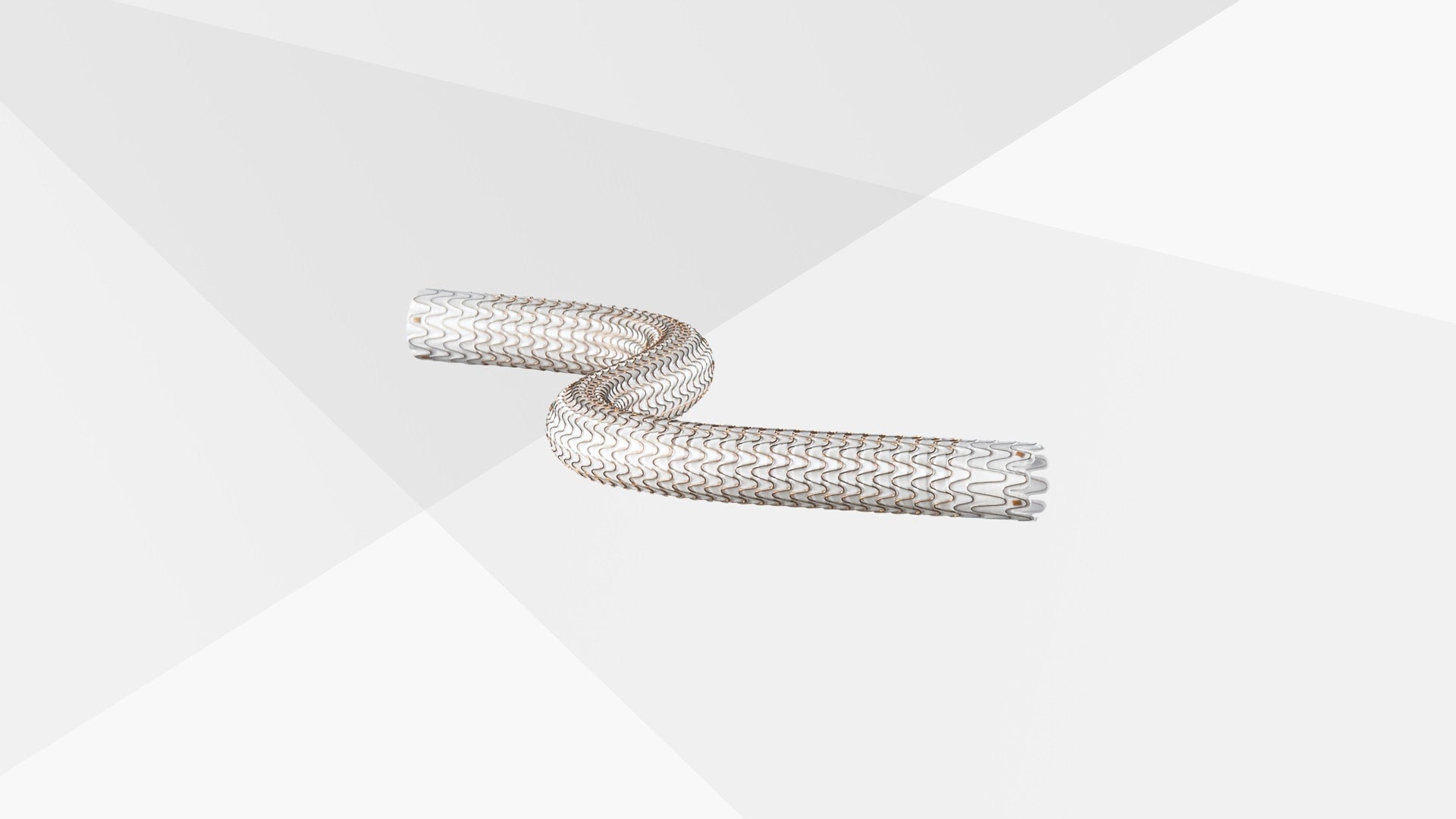
Occlusion of the VIABAHN® Device is not associated with a deterioration in clinical state compared to baseline.10
A multicenter, retrospective analysis study aimed to evaluate the clinical outcomes of failed endografts in patients with SFA occlusive disease (N = 341). Device occlusion occurred in 49 patients, with a median time to occlusion of 7.3 months.10
Among patients who experienced device occlusion (n = 49)10:

24.5%
were treated conservatively

80%
presented with the same or an improved Rutherford category as before the initial procedure

75.5%
underwent & secondary reconstruction

4.1%
of patients requiring amputation after secondary intervention
Thrombosis of the VIABAHN® Device may be managed with reintervention, such as thrombectomy and thrombolysis, minimizing the need for life-altering amputation.11

Serving patients.
Supporting physicians.
At Gore Medical, we support physician in treating SFA disease so they can support their patients.
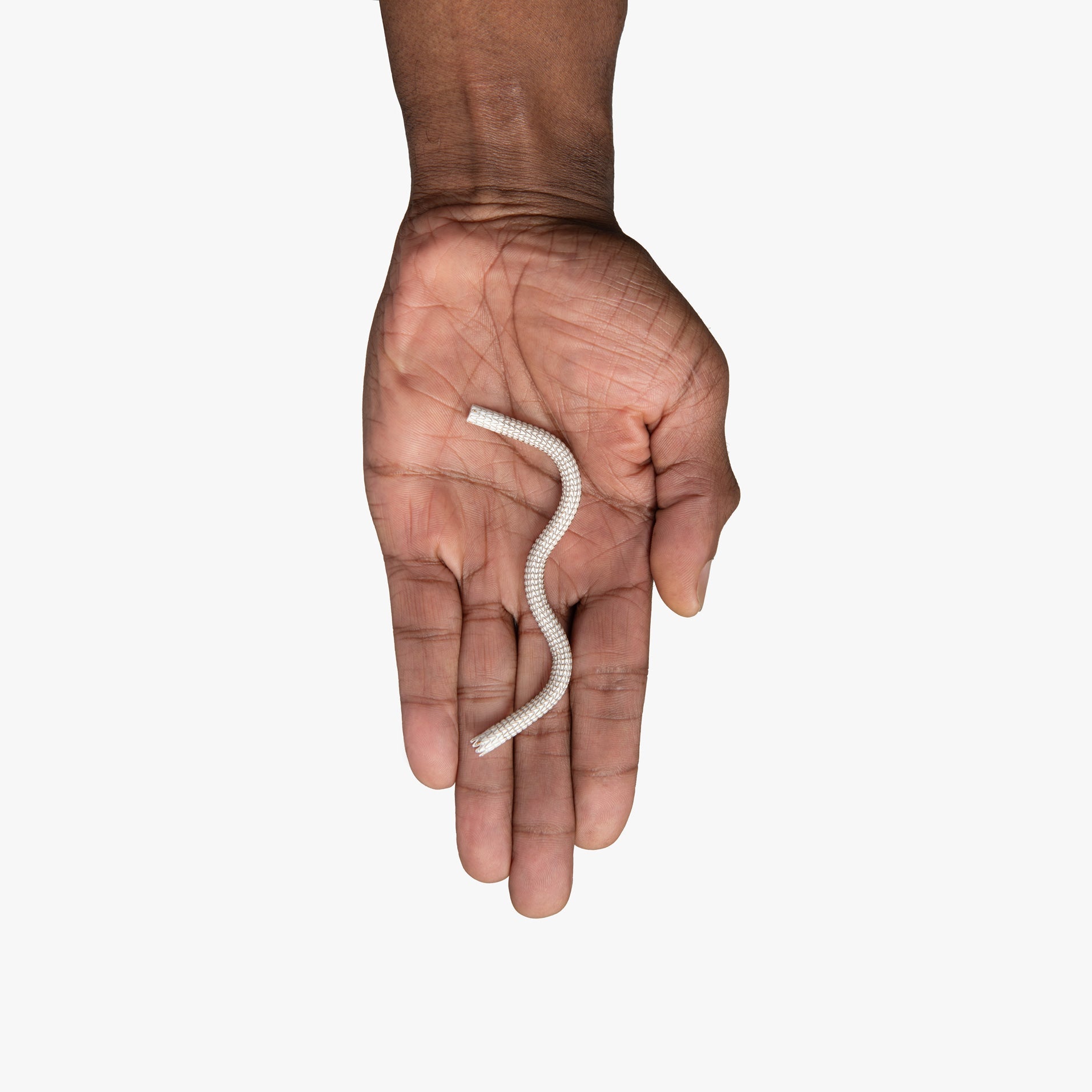
Value of the VIABAHN® Device
How do you measure value in your practice and could the VIABAHN® Device bring new value for SFA?
a. As used by Gore, PROPATEN Bioactive Surface refers to Gore’s proprietary CBAS® Heparin Surface.
b. Data on file 2020; W. L. Gore & Associates, Inc; Flagstaff, AZ.
c. Weighted average lesion length.
d. 1-year weighted average primary patency.
- Iida O, Ohki T, Soga Y, et al. Five-year outcomes of the GORE® VIABAHN® Endoprosthesis for the treatment of complex femoropopliteal lesions from a Japanese postmarket surveillance study. Vascular Medicine 2024;29(4):416–423
- Iida O, Takahara M, Soga Y, et al. One-Year Outcomes of Heparin-Bonded Stent-Graft Therapy for Real-World Femoropopliteal Lesions and the Association of Patency With the Prothrombotic State Based on the Prospective, Observational, Multicenter VIABAHN® Stent-Graft Placement for Femoropopliteal Diseases Requiring Endovascular Therapy (VANQUISH) Study. Journal of Endovascular Therapy 2020;28(1):123–131.
- Lammer J, Zeller T, Hausegger KA, et al. Sustained benefit at 2 years for covered stents versus bare-metal stents in long SFA lesions: The VIASTAR Trial. Cardiovascular & Interventional Radiology 2015;38(1):25–32
- Reijnen MMPJ, van Walraven LA, Fritschy WM, et al. 1-year results of a multicenter randomized controlled trial comparing heparin-bonded endoluminal to femoropopliteal bypass. Journal of American College of Cardiology: Cardiovascular Interventions 2017;10(22):2320–2331
- Ohki T, Kichikawa K, Yokoi H, et al. Long-term results of the Japanese multicenter VIABAHN® trial of heparin bonded endovascular stent grafts for long and complex lesions in the superficial femoral artery. Journal of Vascular Surgery 2021;74(6):1958–1967
- Saxon RR, Chervu A, Jones PA, et al. Heparin bonded, expanded polytetrafluoroethylene lined stent graft in the treatment of femoropopliteal artery disease: 1-year results of the VIPER (VIABAHN® Endoprosthesis with Heparin Bioactive Surface in the treatment of superficial femoral artery obstructive disease) trial. Journal of Vascular & Interventional Radiology 2013;24(2):165–173
- Zeller T, Peeters P, Bosiers M, et al. Heparin-bonded stent-graft for the treatment of TASC II C and D femoropopliteal lesions: the VIABAHN®-25 cm Trial. Journal of Endovascular Therapy 2014;21(6):765–774.
- Soukas P, Becker M, Stark K, et al. Three-year results of the GORE® VIABAHN® Endoprosthesis in the superficial femoral artery for in-stent restenosis. Journal of the Society for Cardiovascular Angiography & Interventions 2024;13(3):400–409.
- Horie K, Takahara M, Nakama T, et al. Retrospective multicenter comparison between VIABAHN® covered stent-grafts and Supera® interwoven nitinol stents for endovascular treatment in severely calcified femoropopliteal artery disease: The ARMADILLO study (adjusted retrospective comparison of scaffolds in calcified lesions). Journal of Endovascular Therapy 2022;31(3):400–409.
- Lensvelt M, Golchehr B, Kruse RR, et al. The outcome of failed endografts inserted for superficial femoral artery occlusive disease. Journal of Vascular Surgery 2013;57(2):415-420.
- Ichihashi S, et al. Clinical Impact of Stent Graft Thrombosis in Femoropopliteal Arterial Lesions. JACC: Cardiovascular Interventions 2021;14(10):1137-1147.

Refer to Instructions for Use at eifu.goremedical.com for a complete description of all applicable indications, warnings, precautions and contraindications for the markets where this product is available. RXOnly
INDICATIONS FOR USE IN EUROPE: The GORE® VIABAHN® Endoprosthesis with PROPATEN Bioactive Surface is indicated for the treatment of:
- de novo or restenotic lesions in the iliac arteries
- de novo or restenotic lesions in the superficial femoral artery and proximal popliteal artery
- in-stent restenotic lesions in the superficial femoral artery and proximal popliteal artery
- stenosis or thrombotic occlusion at the venous anastomosis of synthetic arteriovenous (AV) access grafts and in the venous outflow of dialysis access circuits, including the central veins
- popliteal artery aneurysms and isolated visceral artery aneurysms
- traumatic or iatrogenic vessel injuries in arteries that are located in the chest cavity, abdominal cavity or pelvis (except for aorta, coronary, innominate, carotid, vertebral and pulmonary arteries)
CONTRAINDICATIONS:
- Non-compliant lesions where full expansion of an angioplasty balloon catheter was not achieved during pre-dilatation, or where lesions cannot be dilated sufficiently to allow passage of the delivery system.
- Do not use the GORE® VIABAHN® Endoprosthesis with PROPATEN Bioactive Surface in patients with known hypersensitivity to heparin, including those patients who have had a previous incidence of Heparin-Induced Thrombocytopenia (HIT) type II.