Designed to adapt to vessel forces and provide mechanical durability1–4
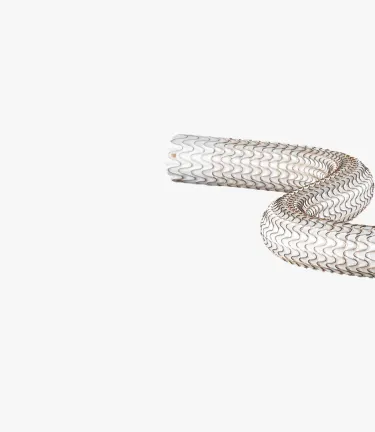
Continued innovation for durable outcomes and unmatched versatility
The GORE® VIABAHN® Endoprosthesis with PROPATEN Bioactive Surfacea is designed to adapt to the anatomy of the SFA.1–4
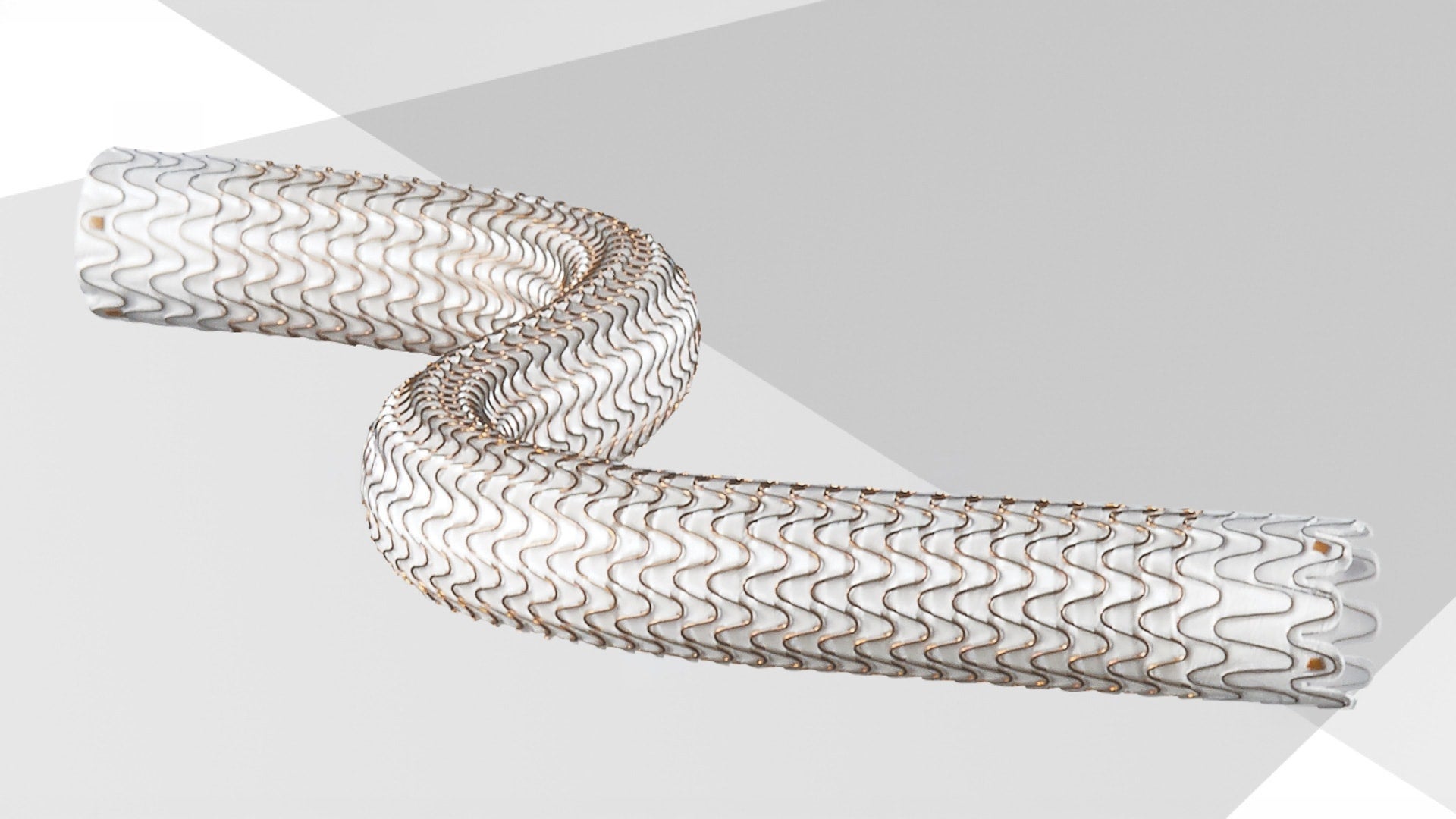
The largest device offering available, for suitability across a wide range of lesion types, including the most challenging SFA cases4,6–11
- Diameters ranging from 5–13 mm
- Maximum length of 25 cm

Could the VIABAHN® Device provide true value for you and your patients in complex SFA cases?
The VIABAHN® Device is approved across multiple indications to address a wide variety of patient needs.c,4

Value of the VIABAHN® Device
How could the VIABAHN® Device support your complex SFA procedures?

a. As used by Gore, PROPATEN Bioactive Surface refers to Gore’s proprietary CBAS® Heparin Surface.
b. As reported in our product surveillance system.
c. The GORE® VIABAHN® Device is indicated for improving blood flow in patients with symptomatic peripheral arterial disease in long superficial femoral artery de novo and restenotic lesions.
- Data on file 2026; W. L. Gore & Associates, Inc; Flagstaff, AZ.
- Iida O, Ohki T, Soga Y, et al. Five-year outcomes of the GORE® VIABAHN® Endoprosthesis for the treatment of complex femoropopliteal lesions from a Japanese postmarket surveillance study. Vascular Medicine 2024;29(4):416–423.
- Soukas P, Becker M, Stark K, et al. Three-Year Results of the GORE® VIABAHN® Endoprosthesis in the Superficial Femoral Artery for In-Stent Restenosis. Journal of the Society for Cardiovascular Angiography & Interventions 2023;2(3):100598.
- Gore Medical Products Instructions for Use (IFU). W. L. Gore & Associates, Inc. Accessed May 5, 2026. https://eifu.goremedical.com/
- Begovac PC, Thomson RC, Fisher JL, et al. Improvements in GORE-TEX® Vascular Graft Performance by Carmeda® BioActive Surface Heparin Immobilization. European Journal of Vascular & Endovascular Surgery 2003;25:432-437. doi:10.1053/ejvs.2002.1909
- Supera® Peripheral Stent System [Instructions for Use]. Abbott Laboratories Inc; 2014. MKT00133.
- Scitech® Solaris Covered Peripheral Stent [Instructions for Use]. Scitech Medical.
- ELUVIA® Drug-Eluting Vascular Stent System. Boston Scientific [Instructions for Use].
- Bard® LifeStent® Solo Vascular Stent System [Instructions for Use]. Bard Peripheral Vascular, Inc. B05682 Rev.10/03-22.
- Bard® LifeStent® 5F Vascular Stent System [Instructions for Use]. Bard Peripheral Vascular, Inc. B05880 Rev.6/03-25.
- Bard® LifeStent® XL Vascular Stent System [Instructions for Use]. Bard Peripheral Vascular, Inc. B05976 Rev.2/12-22.
- Data on file 2026; W. L. Gore & Associates, Inc; Flagstaff, AZ.

Refer to Instructions for Use at eifu.goremedical.com for a complete description of all applicable indications, warnings, precautions and contraindications for the markets where this product is available. RXOnly
INDICATIONS FOR USE IN EUROPE: The GORE® VIABAHN® Endoprosthesis with PROPATEN Bioactive Surface is indicated for the treatment of:
- de novo or restenotic lesions in the iliac arteries
- de novo or restenotic lesions in the superficial femoral artery and proximal popliteal artery
- in-stent restenotic lesions in the superficial femoral artery and proximal popliteal artery
- stenosis or thrombotic occlusion at the venous anastomosis of synthetic arteriovenous (AV) access grafts and in the venous outflow of dialysis access circuits, including the central veins
- popliteal artery aneurysms and isolated visceral artery aneurysms
- traumatic or iatrogenic vessel injuries in arteries that are located in the chest cavity, abdominal cavity or pelvis (except for aorta, coronary, innominate, carotid, vertebral and pulmonary arteries)
CONTRAINDICATIONS:
- Non-compliant lesions where full expansion of an angioplasty balloon catheter was not achieved during pre-dilatation, or where lesions cannot be dilated sufficiently to allow passage of the delivery system.
- Do not use the GORE® VIABAHN® Endoprosthesis with PROPATEN Bioactive Surface in patients with known hypersensitivity to heparin, including those patients who have had a previous incidence of Heparin-Induced Thrombocytopenia (HIT) type II.